Homeowners today are more conscious than ever about energy efficiency and its impact on both the environment and household budgets. With the rising costs of utilities and an increased focus on sustainable living, understanding how to optimize home systems is crucial. When searching for ways to improve energy savings in the Midwest, many people turn to HVAC installation in Cincinnati, OH, as a key step toward a more efficient and comfortable home. This article explores essential considerations for homeowners before, during, and after an HVAC installation to maximize energy efficiency in Cincinnati, Ohio.
The Importance of Proper HVAC Installation
Selecting a new HVAC system is a significant investment, but the installation process itself is just as vital for achieving optimal energy performance. Poor installation can lead to inefficiencies, higher energy bills, and even premature system failure. In Cincinnati’s climate, where both hot, humid summers and cold winters are common, a properly installed system ensures comfort year-round while minimizing energy waste.
Key Factors Affecting Energy Efficiency
When planning HVAC installation, several factors directly influence how efficiently the system will operate:
- System Sizing: One of the most common mistakes is installing a system that is too large or too small for the home. An oversized unit will cycle on and off frequently, wasting energy, while an undersized unit will struggle to maintain comfortable temperatures.
- Ductwork Design and Sealing: Leaky or poorly designed ducts can result in significant energy loss. Properly sealed and insulated ducts help deliver conditioned air efficiently throughout the home.
- Equipment Selection: Modern HVAC systems offer high-efficiency options with advanced features such as variable-speed motors and smart thermostats. Choosing ENERGY STAR®-certified equipment can further enhance savings.
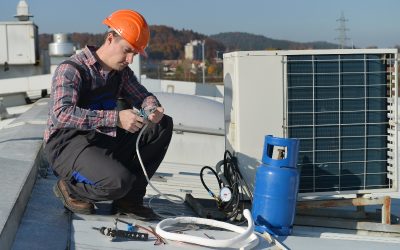
- Installation Quality: Even the best equipment will underperform if not installed correctly. Ensuring that all connections, refrigerant levels, and airflow measurements meet manufacturer specifications is essential.
Steps to Maximize HVAC Efficiency in Cincinnati Homes
To get the most out of HVAC installation in Cincinnati, OH, homeowners should follow several best practices:
1. Conduct a Home Energy Assessment
Before selecting a new system, a comprehensive energy assessment can identify opportunities to improve efficiency. This may include evaluating insulation levels, windows, and existing ductwork. Addressing these issues first can reduce the load on the HVAC system and allow for a smaller, more efficient unit.
2. Choose the Right Size and Type
Sizing the system correctly is crucial. Professionals use Manual J calculations to determine the appropriate size based on square footage, insulation, window orientation, and other factors unique to each home. Additionally, consider system types such as central air, heat pumps, or ductless mini-splits, each offering different efficiency benefits.
3. Prioritize High-Efficiency Features
Look for systems with high SEER (Seasonal Energy Efficiency Ratio) and AFUE (Annual Fuel Utilization Efficiency) ratings. Features like programmable thermostats, zoning capabilities, and variable-speed compressors can further optimize performance and comfort.
4. Ensure Quality Installation
Select an experienced, certified installer who follows industry best practices. Quality installation includes:
- Properly sizing and sealing ductwork
- Accurate refrigerant charging
- Verifying system airflow
- Calibrating thermostats and controls
5. Maintain Your System Regularly
Routine maintenance is key to preserving energy efficiency. Homeowners should:
- Replace or clean filters regularly
- Schedule annual professional tune-ups
- Keep outdoor units clear of debris
- Monitor for unusual noises or reduced performance
Local Considerations: Cincinnati’s Climate and Energy Codes
Cincinnati’s weather patterns present unique challenges and opportunities for HVAC efficiency. High humidity in summer and cold snaps in winter require systems that can adapt to varying loads. Additionally, local building codes may have specific requirements for energy efficiency, ductwork, and system performance. Homeowners should ensure their installation complies with all regulations to maximize rebates and incentives and to avoid future issues.
The Benefits of Energy-Efficient HVAC Installation
Investing in an energy-efficient HVAC system and professional installation offers multiple advantages:
- Lower Utility Bills: Efficient systems use less energy, resulting in significant savings over time.
- Enhanced Comfort: Properly installed systems maintain consistent temperatures and humidity levels.
- Environmental Impact: Reduced energy consumption lowers your carbon footprint.
- Increased Home Value: Modern, efficient HVAC systems are a selling point for future buyers.
For homeowners considering HVAC installation in Cincinnati, OH, focusing on energy efficiency pays off in comfort, savings, and sustainability. By choosing the right equipment, ensuring quality installation, and maintaining the system properly, it is possible to enjoy year-round comfort while keeping energy costs in check. Taking these steps not only benefits your household budget but also contributes to a more sustainable community. Investing in efficient HVAC installation is a smart move for any Cincinnati homeowner looking to secure long-term value and performance from their home’s heating and cooling system.